Professional Book Formatting Services in UK for Polished Books
A finished manuscript deserves more than plain text placed onto pages. Professional book formatting gives your book structure, consistency and a reader-friendly appearance across print and digital formats. Ghost Book Writers helps authors turn edited manuscripts into professionally organised interiors that look intentional from the opening page to the final chapter.
Our professional book formatting services in UK support fiction, nonfiction, memoirs, children's books and ebooks. Whether you need a print-ready interior, ebook formatting in UK, or help preparing files for a self-publishing platform, our team can tailor the layout to your manuscript and publishing plans.
You have already done the writing. Now let us make the pages look ready for readers.


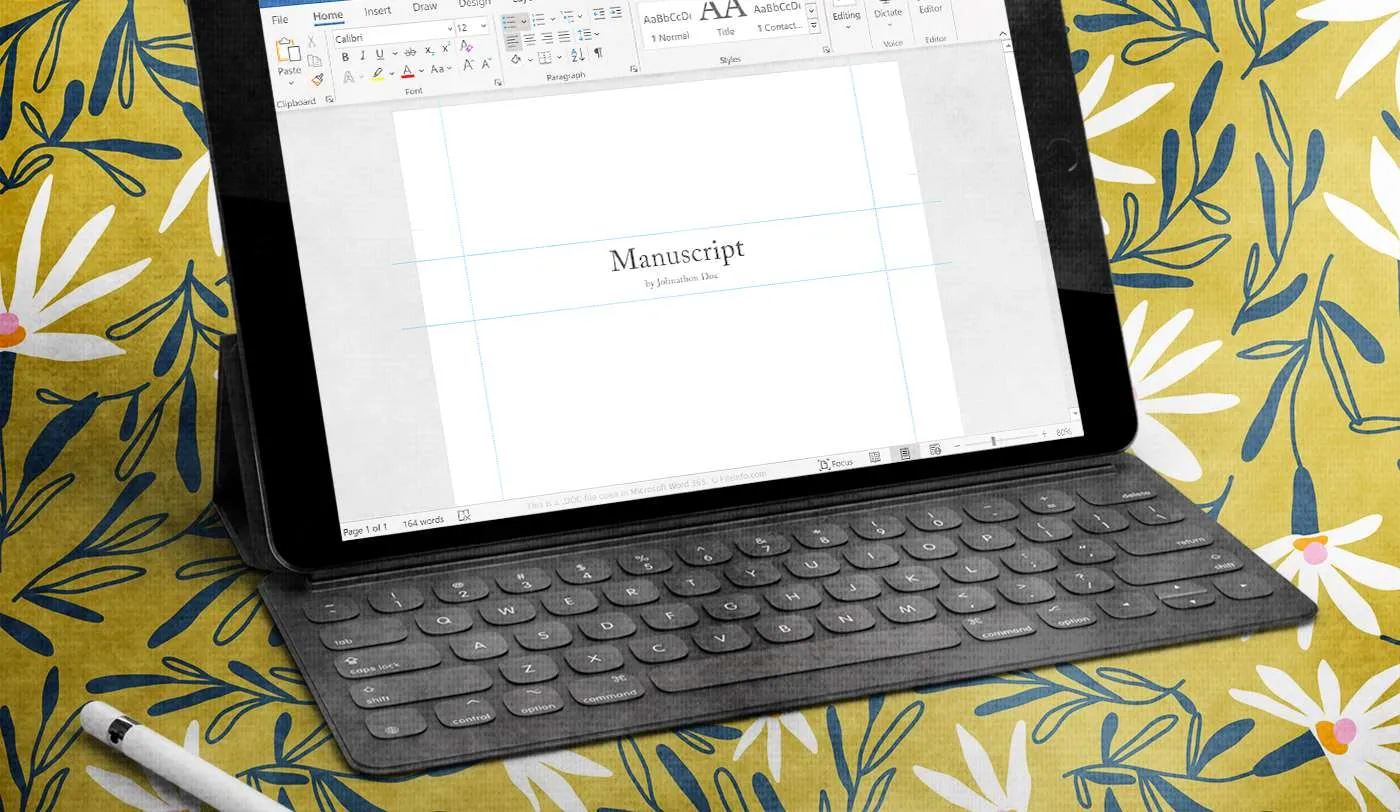
Readers may not consciously analyse margins, paragraph spacing or chapter openings, but they notice when something feels wrong. Inconsistent fonts, awkward page breaks, cramped text and poorly positioned headings can make even a strong manuscript look unfinished.
Our formatting specialists organise the interior around readability and consistency. If you have been searching for book formatting services near me, remote support allows your manuscript to be formatted professionally without limiting your options to someone in your immediate area.
We can help with:
- Print book interior formatting
- Ebook and Kindle preparation
- Chapter and heading styles
- Margins and trim-size setup
- Paragraph and line spacing
- Page-number placement
- Front and back matter
- Scene breaks
- Table of contents setup
- Image and illustration positioning
- Print and digital file preparation
- Final layout consistency checks
Why Choose Our Professional Ebook Formatting Service in UK?
Digital books need different formatting considerations from print books. Readers may change font size, screen orientation and device settings, so the manuscript must remain readable without relying on a fixed printed page.

Our team ensures that your original vision, core themes, and unique perspectives remain at the centre of every single chapter, delivering an inspiring, engaging, and seamlessly polished story tailored precisely to readers.

We carefully shape complex ideas into a engaging, accessible, and balanced journey that naturally informs modern readers and preserving full relevance, clarity, and thematic power across each single page from start onward.

Every single chapter is purposefully refined to deepen thematic impact and drive the story forward, eliminating redundant sections so each page provides genuine value, clarity, and lasting appeal for your intended readers.

Our flexible support seamlessly tailors any book at any creative stage, be you have a early concept, partial notes, or drafted materials needing dedicated guidance, expertise, and expert editorial mastery throughout ahead.
Write It. Refine It. Share It With Digital Readers.
Ready to see your comic book idea come to life? From the first spark of imagination to a polished script ready for an artist, professional support can make a big difference. Our comic book writing services in UK help you develop characters, build worlds, structure your story, and create clear, engaging scripts that bring your vision to the page and the panel. Whether you're starting from scratch, refining rough notes, or working towards a finished comic book script, we're here to support your creative journey.
Let’s Talk
How Does KDP Paperback Formatting in UK Work?
Professional KDP paperback formatting should begin with the actual book rather than a generic template. The genre, trim size, word count and interior elements all influence how the printed pages should be organised.
We closely evaluate your creative book concepts, and essential elements to develop a inspiring, highly-focused book blueprint.
Our dedicated authors structure key chapters, and narrative progressions, to ensure balanced pacing and clear reader interest.
We craft every individual chapter with compelling dialogue, and natural dialogue aligned perfectly with your authentic vision.
Once writing and revisions are complete, your book can move into editing, proofreading, formatting and publishing preparation.
Explore the Books Behind Our Formatting Expertise
The best layout is the one readers barely have to think about. Different genres, however, need different approaches.
A novel may rely on clean typography and subtle chapter openings. A business book could use headings, lists and callouts. A memoir may benefit from photographs, while children's books can require more complex page composition.
A book format google docs draft can be a perfectly useful writing file, but writing documents are not necessarily publication-ready layouts. The manuscript usually needs a separate formatting stage before release.
Likewise, an autobiography format may need different chapter-opening treatment and image placement from fiction depending on the content.
Explore Our Published Books and Writing Expertise
Browse our collection of successful projects where ideas are transformed into published books. Our expert writing and publishing services support authors in creating high-quality content ready for readers worldwide.


Professional Book Page Formatting From Experienced Experts
Our book page formatting experts focus on creating pages that look balanced while remaining comfortable to read.
Tiny layout decisions can influence the entire book.



format a book for publishing Prepare Complex Manuscripts for Professional Publication
Not every manuscript follows a straightforward chapter-and-paragraph structure. Some books contain footnotes, tables, photographs, diagrams, poetry, multiple heading levels or other elements that need special attention during production. A book formatting service for hire should consider these requirements before deciding how the interior will be constructed. Professional formatting manuscript preparation involves organising headings, paragraphs, images and supporting elements into a consistent structure that suits the book's intended format.
Complex manuscripts benefit from a layout plan that identifies how each element should appear and how it relates to the surrounding text. A research-based book, for example, may need carefully positioned references and tables, while a memoir containing photographs requires consistent image placement and captions.
Before formatting begins, authors should identify any unusual content and explain how they expect it to appear in the finished edition. This allows the layout approach to account for the manuscript's structure rather than forcing every book into the same template.
A book's layout should make its content comfortable to read and easy to navigate. A skilled book layout designer considers the relationship between typography, page composition, hierarchy and the type of material being presented. Before you format your book, consider its genre, content structure and intended reading format so that the layout supports both readability and presentation.
Fiction often benefits from a restrained layout that keeps attention on the narrative. Nonfiction may require more visible organisation through subheadings, numbered sections, lists and supporting elements. Educational books can need additional visual structure to distinguish explanations, examples and exercises.
Authors comparing book formatters should look for an understanding of these differences. A consistent design does not mean using identical page arrangements throughout every manuscript. It means applying a coherent visual system that supports the content and makes the reading experience feel intentional.
Digital books do not all display content in the same way. A reflowable ebook allows readers to change font size and other display settings, with the text adapting to the available screen space. A fixed-layout ebook preserves a more specific page composition, which can be useful when the relationship between text and imagery is essential.
Authors planning formatting a book for kindle should consider which approach suits the manuscript. A conventional novel usually works well as a reflowable publication, whereas an illustrated book, graphic-heavy educational title or carefully arranged visual work may need a different solution.
The correct kindle book format depends on the book's content and the platform's supported requirements. Images, tables, footnotes, hyperlinks and navigation elements should be tested in the actual digital output rather than judged solely from the original Word document.
A separate ebook format for kindle may also be needed when the manuscript was originally prepared for print. A print-ready PDF is designed around fixed pages, whereas a reflowable ebook must respond to different screens and reader preferences. Using one file for both purposes without checking its behaviour can create display problems.
Visual material can make a book more informative, but it also introduces additional layout considerations. Photographs, diagrams, charts and illustrations should be positioned where they support the surrounding content and should remain clear in the intended edition.
For an image-heavy manuscript, establish the order of visual elements and confirm that each image has an appropriate caption or reference where needed. Check that images are not stretched, cropped unintentionally or separated from the passages that explain them.
Tables need particular attention. Wide tables may be difficult to read in narrow ebook layouts, while complex data can become confusing if rows and columns are split across pages. Consider whether a table should be simplified, reorganised or presented as an image, depending on the publication format and accessibility requirements.
Authors commissioning kdp formatting services should identify these elements early. KDP's supported file types and requirements vary according to the book format, format a book for publishing and the presence of bleed or complex visual content. For example, its paperback guidance requires PDF files for interiors containing full-bleed elements.
Give Poetry and Specialised Writing the Right Page Structure
Poetry, plays, scripts and other specialised manuscripts often rely on precise spacing and line arrangements. A standard prose layout can disrupt their intended presentation if line breaks, indentation and visual pauses are not preserved.
Poetry formatting should respect stanza divisions, deliberate spacing and the relationship between lines. Page breaks should be considered carefully so that a poem does not become separated in a way that weakens its presentation. Longer collections may also benefit from a clear sequence of sections and a consistent approach to titles.
Scripts and dialogue-heavy works may require distinct character labels, scene divisions and spacing conventions. Similarly, academic or reference publications may need structured notes, citations, indexes and supporting material.
A book formatting company should assess the manuscript's actual requirements rather than assuming that every project can use a conventional novel layout. Authors should provide representative sample pages when a book contains unusual structures, helping the formatting approach account for the content from the outset.
Digital formatting should make it easy for readers to move through a book. A working table of contents, meaningful chapter headings and correctly structured navigation can improve usability, especially in longer publications.
Authors should also consider accessibility when preparing digital editions. Heading levels should follow a logical order, meaningful images should have appropriate alternative text where supported, and links should use clear descriptions. Text should remain readable without relying on colour alone to communicate important information.
These considerations are particularly relevant to educational, professional and reference books. A well-organised digital publication should allow readers to locate information without having to scroll through the entire manuscript.
Authors comparing book formatting companies should ask whether digital quality checks include navigation and accessibility considerations, not simply whether a file can be uploaded to a retailer.
Manuscripts containing multiple languages, non-Latin scripts or extensive special characters need careful testing. A font may look suitable for English text but fail to display certain accents, symbols or characters correctly.
Authors should identify the languages and scripts used in their manuscripts before production. Check that the selected fonts support the required character sets and that punctuation, quotation marks and paragraph direction remain consistent.
Right-to-left content requires additional attention because reading direction can affect alignment, pagination and the placement of supporting elements. Platform support should also be confirmed before preparing the final file. KDP's current paperback language support, for example, has specific restrictions for right-to-left printing.
These checks are particularly important when preparing books for international readerships or when the manuscript includes quotations and passages in languages other than the main text.
A book formatter online can be useful for authors who want to experiment with basic layouts or prepare a simple manuscript independently. Some tools offer templates, automated styling and export options for digital or print publication.
However, automated formatting may not address every issue in a complex manuscript. Unusual chapter structures, image placement, footnotes, tables and detailed typographic requirements may need manual review and adjustment.
Authors considering online tools should assess:
- Whether the tool supports the intended publication format
- How it handles images, tables and footnotes
- Whether it offers suitable typography and layout controls
- Which export formats are available
- Whether the resulting files can be checked before publication
- Whether the author retains access to editable source files
A tool can be appropriate for a straightforward project, while more specialised work may benefit from professional layout support. The decision should depend on the manuscript's complexity and the author's ability to check the finished files.
Platform requirements should be checked against the actual files being submitted. Amazon KDP formatting guidelines cover different aspects of ebook, paperback and hardcover preparation, and the requirements are not identical across formats.
For print books, authors should confirm the selected trim size, margins, bleed settings, page order and file specifications. Images and fonts must also meet the platform's technical requirements. For ebooks, the focus shifts towards reflowable content, navigation, supported elements and how the publication appears across different devices.
Authors using amazon kdp formatting should also remember that the interior manuscript and cover are separate files for print publication. Changes to trim size, page count or paper selection can affect the final cover dimensions, so production files should be coordinated.
Before uploading, use the platform's available preview tools to inspect the book and correct any reported problems. KDP provides separate resources for print and digital preparation, along with preview tools that help authors review their files before publication.
A digital file should not be approved solely because it looks correct on the computer used to prepare it. Readers may open the same ebook on a phone, tablet or dedicated e-reader, with different screen sizes and display settings.
Check chapter navigation, paragraph spacing, image placement, hyperlinks and special characters across available previews. Pay particular attention to sections containing lists, tables, quotations or unusual formatting, as these can behave differently when the text reflows.
For print editions, inspect a complete proof where possible. Review chapter openings, page turns, blank pages, image placement and the consistency of headers and footers. The final check should confirm that the exported file matches the approved layout rather than an earlier manuscript version.
This process is especially useful for authors preparing KDP book formatting files for more than one edition. Paperback and ebook outputs should be assessed independently because their layout behaviour and technical requirements differ.
When comparing book formatting companies, authors should look beyond a general promise to make a manuscript publication-ready. The proposal should explain the formats being prepared, the file types supplied and the checks included before delivery.
Clarify whether the project includes a print-ready interior, a reflowable ebook file, a separate version for another platform or revisions after the first layout review. Ask whether editable source files are supplied and whether further adjustments are covered by the agreed scope.
A reliable delivery arrangement should make it clear which files are final, which are editable and which are intended for specific publishing platforms. This reduces confusion when the author later updates the manuscript or prepares another edition.
Professional formatting is ultimately about making the finished book work as intended. Careful planning, suitable layout decisions and format-specific checks help authors move from an edited manuscript to files that are ready for the next stage of publication.
What Do Our Book Formatting Experts Review?
Our book formatting experts may consider:

* Line length
* Line spacing

* Paragraph indents
* Widow and orphan control

* Chapter openings
* Heading hierarchy

* Margins
* Page numbers

* Running headers
* Decorative elements

* Image alignment
* Consistent scene breaks

Formatting From Existing Files
Manuscripts can often begin in Word, Google Docs or another editable format. The important part is making sure the final publication file is prepared for its intended purpose.
* Multiple heading levels
* Images
* Tables
* Long chapters
* Footnotes
* Poetry
* Lists
* Different front-matter sections
* Complicated pagination
* Several intended formats
* Clear revision process
* Understanding of trim sizes
* Typography quality
* File-delivery options
* Communication
* Support for complex interiors
Michael Anderson
"I needed book formatting services in UK after finishing my novel, and the professional layout made the manuscript look completely different. The chapters finally felt like they belonged in an actual published book."
Emma Williams
"I had tried a few book formatting websites but kept having problems with headers and page numbers. Working with a professional formatter saved me from fixing the same issue over and over again."
Ethan Collins
"I wanted KDP paperback formatting in UK for my first self-published book. The final pages were clean and consistent, and I understood what was happening throughout the process."
Sophie Carter
"My memoir started as a book format google docs file with photographs placed wherever they happened to fit. The formatter reorganised everything without making the interior look overdesigned."
Daniel Foster
"I was specifically looking for a book formatter in London, but remote collaboration was actually easier. I sent the manuscript, reviewed the formatted version and handled revisions entirely online."
Olivia Harris
"I needed an ebook formatting service in UK as well as the print layout. Treating the two versions separately made much more sense than trying to use one file for everything."
Frequently Asked Questions
Understanding how our services work is an important step before starting your project. Here are answers to commonly asked questions.